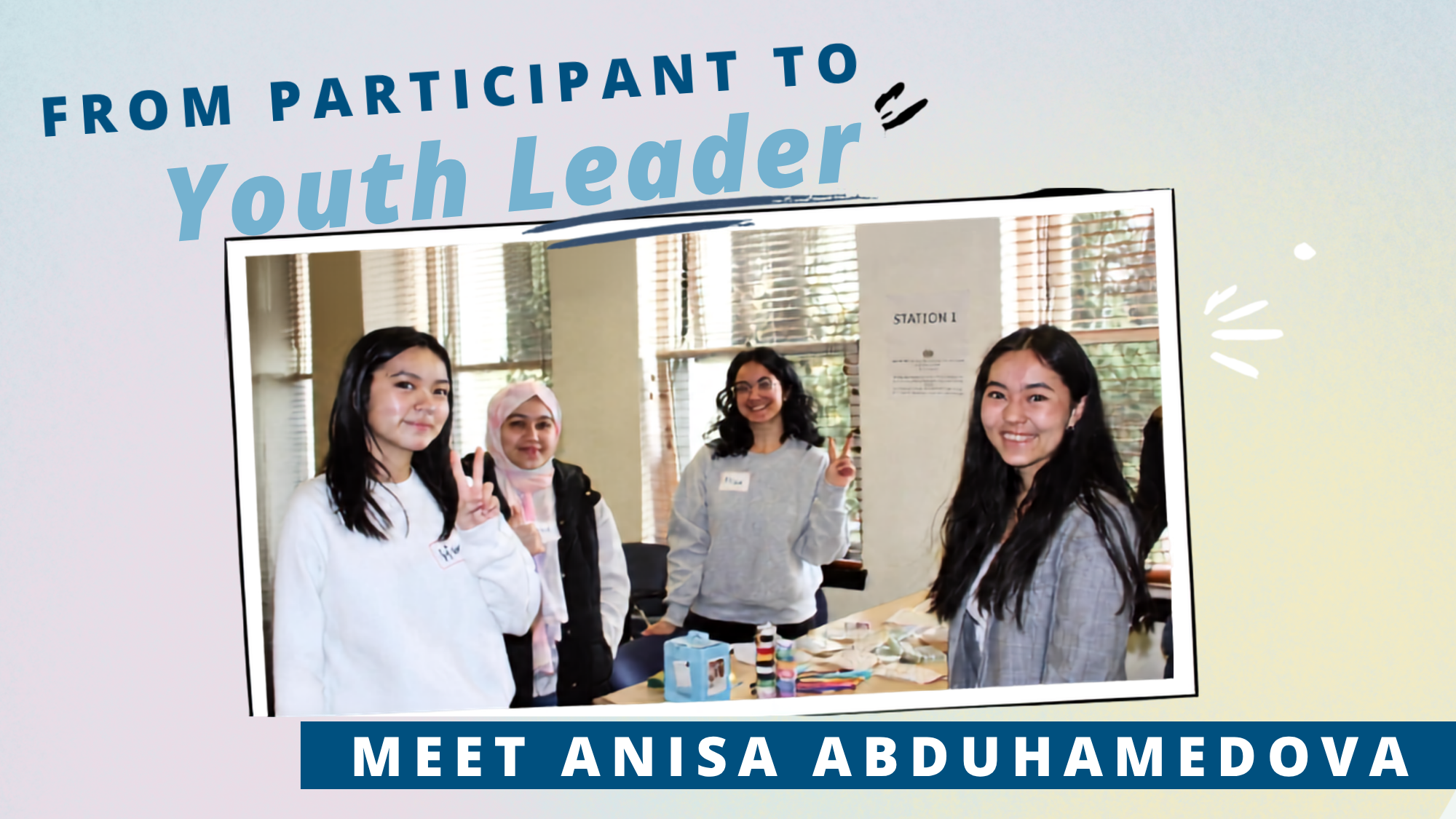
Across Canada, many young people face barriers to being heard on issues that affect their safety, well-being, and sense of belonging. Through its human rights education programs, Equitas helps young people strengthen their leadership, amplify their voices, and participate meaningfully in building safer, more inclusive communities. The Building Safer Communities Program gives youth opportunities to influence real change.
Anisa Abduhamedova’s journey shows what can happen when youth are not only included but empowered.
Anisa is 18 years old and lives in Vancouver, British Columbia. Growing up in the city, she noticed places where she did not feel safe, whether walking to school early in the morning or taking transit home after evening activities. She also felt there were not enough welcoming spaces for youth
“I wanted to understand how decisions about our city were made and whether young people could actually influence them. It felt like youth were usually affected by policies but rarely involved in creating them“
At first, Anisa thought about safety from her own perspective: safer streets, better transit, and more places where young people could feel comfortable. Listening to youth from different neighbourhoods broadened her understanding.
“For some people, safety meant having somewhere to go after school, and for some people it means just coming back from school without fear. Safety isn’t just about preventing harm. It’s also about creating communities where everyone feels like they belong.”
When Anisa joined the program in Grade 10 as a Youth Action Committee member, she was not sure what to expect. Although she had participated in student leadership and youth councils, she did not know young people could work directly with the City or speak with decision-makers.
“Before this program, I didn’t really believe youth had a place in government conversations. Being part of Building Safer Communities was the first time I felt like adults genuinely wanted to hear what young people had to say.”
Over three years, Anisa’s role evolved from participant to facilitator to advisor.
 In Grade 10, she contributed to the City’s Youth Violence Prevention Strategy, shared feedback, and explored how youth could be involved. She also worked on ideas such as safer bus stops and workshops for middle school students.
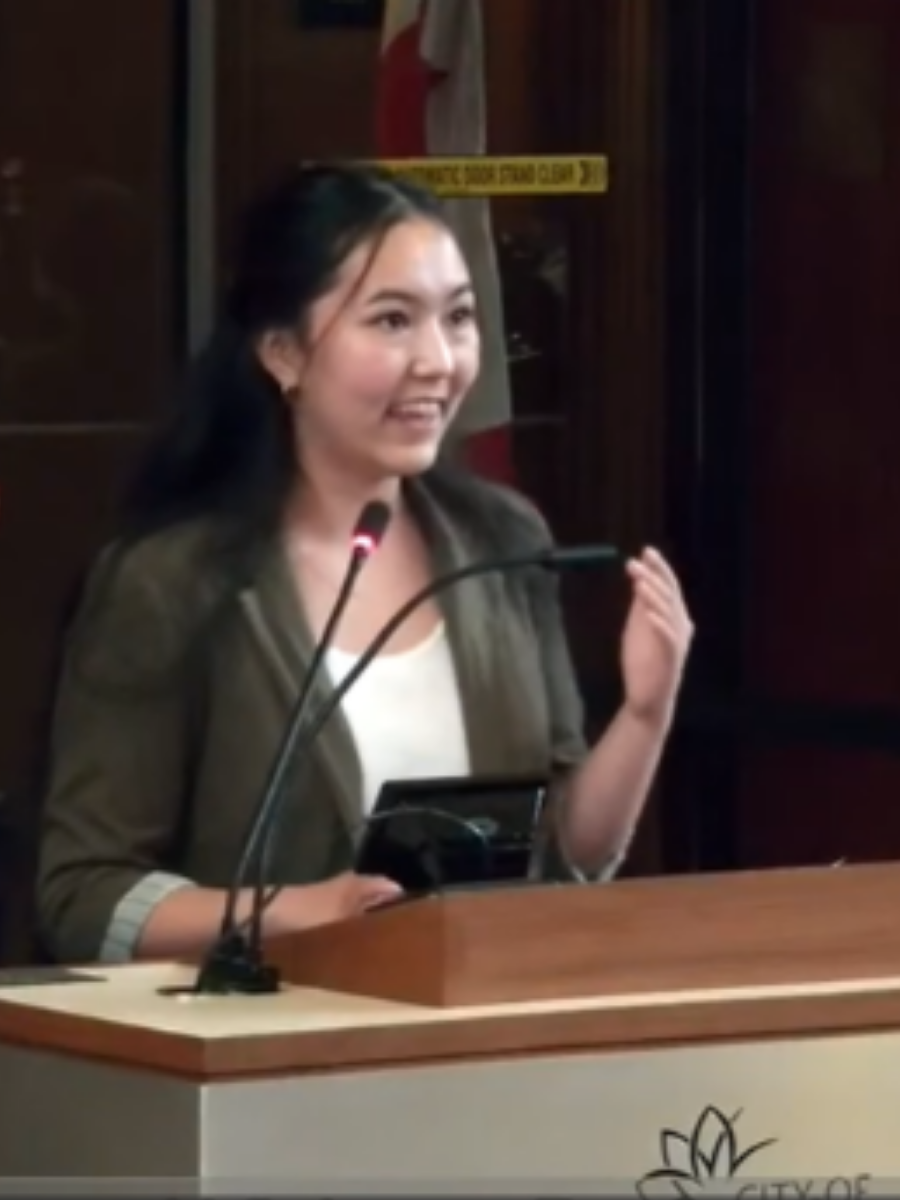
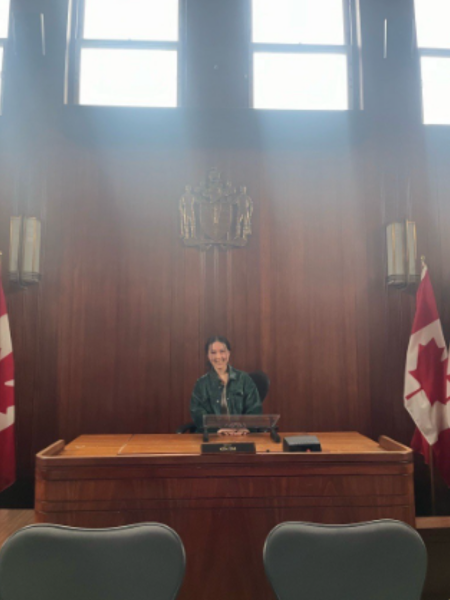
 In Grade 11, Anisa became one of five Youth Voice Ambassadors. She created a video featuring interviews with youth in Downtown East Vancouver about street safety, whether they felt heard, and what changes they wanted to see. The video was presented at a youth forum with more than 100 attendees and later at a youth worker summit. She also facilitated discussions with youth at the forum and spoke at City Hall.
“Sitting in front of the Mayor and councillors was intimidating, especially knowing I was representing not just myself but the experiences of so many other young people. Looking back, it became one of the moments that helped me become more confident.”
👉🏽 By Grade 12, Anisa had become a Youth Advisor. Alongside her team, she engaged more than 150 youth across over 16 high schools and eight neighbourhoods. They facilitated sessions on safety, belonging, and lived experiences and translated those insights into recommendations for the City of Vancouver. Facilitating conversations about safety was challenging because youth sometimes shared personal experiences.
“I wanted to make sure that everyone felt respected and comfortable speaking. It taught me that facilitation isn’t about talking the most. It requires creating an environment where other people feel safe enough to share.”
Anisa is most proud that she helped create opportunities for other young people to be heard.
“I hope people walked away feeling like their experiences mattered. I think that’s one of the most important things you can give someone: the feeling that their voice has value.”
The program also changed how she understands leadership.
“Before, I thought leadership meant having good ideas and speaking confidently. Now I think leadership starts with listening. Meaningful leadership isn’t about being the loudest voice in the room. It’s about making sure everyone else’s voice is heard too.”
For Anisa, youth participation is essential because young people experience public spaces differently than adults.
“We notice problems that others might overlook because we live them every day. If decisions are made without including youth, they’re missing an important perspective.”
Her message to other young people is clear: