On December 4th, 2024, Massey College in Toronto hosted an inspiring milestone event: the Launch of the Resilience Network, a promising, innovative, global initiative designed to empower exiled democracy, civil society and human rights advocates living in Canada to continue their advocacy and civic engagement in a safe, supportive environment.
The Resilience Network is a flagship initiative of Resilient Societies, a Canada-based global hub dedicated to supporting and creating creative spaces for grassroots networks of human rights defenders and activists and a key partner organization to Equitas. At the heart of this initiative is its founder and CEO, Maiwand Rahyab, whose leadership has brought together like-minded organizations to support this vision. Resilient Societies collaborated with Equitas, Journalists for Human Rights (JHR) to drive this ambitious vision forward. The Massey College also stepped up by hosting the ‘’Solidarity across borders’’ event to support the launch of the network.
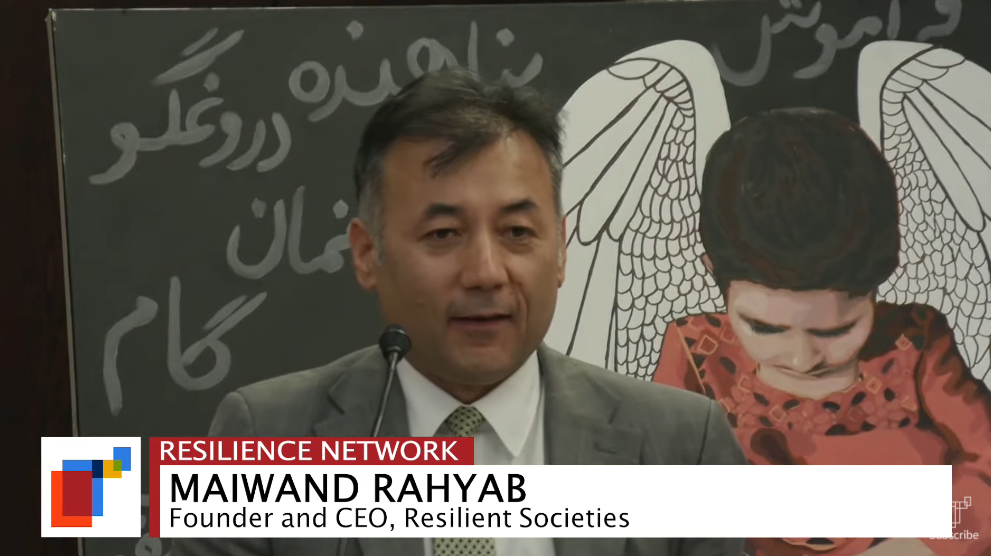
The event began with a land acknowledgment, by the master of ceremonies, Omayra Issa, setting a tone of equity and respect for the discussions that followed. Following our host, many inspiring speakers took the stage. Nurjehan Mawani, Global Engagement Chair at Massey College, delivered opening remarks, followed by Payam Akavan, the Human Rights Chair, whose words underscored the importance of the initiative. The keynote was addressed by The Honourable Ratna Omidvar, former Senator of Canada. Her insightful and encouraging remarks resonated deeply with attendees as she shared valuable advice for the Resilience Network, emphasizing the power of collaboration and perseverance in advancing human rights and democratic values.
”Civic spaces worldwide are shrinking, polarization and authoritarianism are on the rise and the very foundations of democracy are under attack. These challenges demand bold and brave leadership, the call for initiatives that break new ground. The resilience network is one such initiative, a beacon of hope and action; it has the potential to transform how exiled communities are supported and empowered globally”
– Nurjehan Mawani
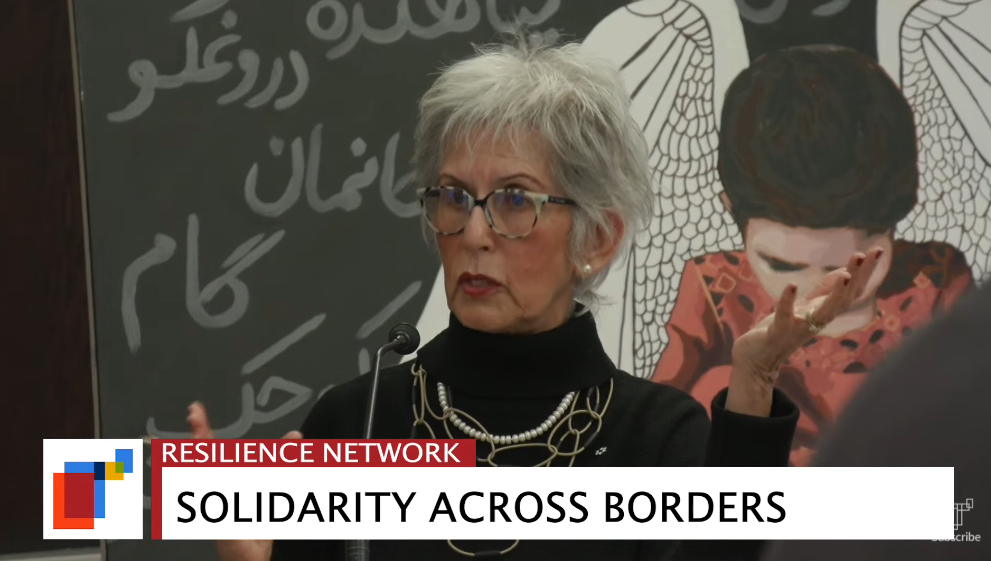
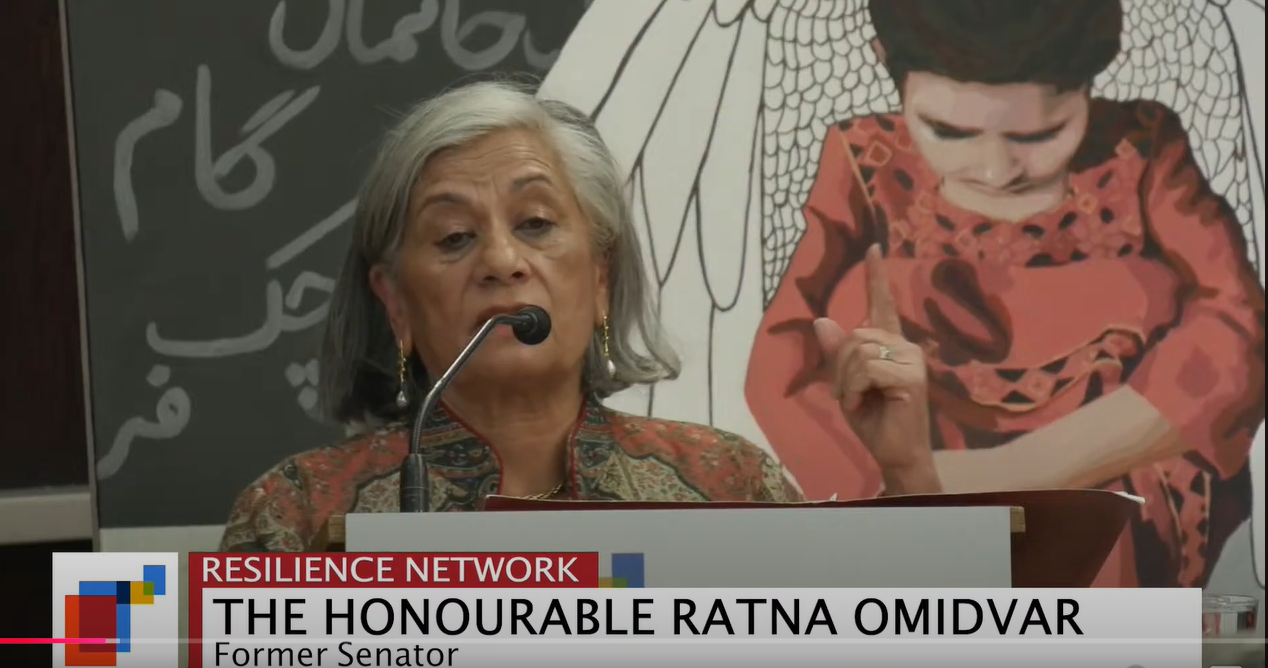
“What we need is radical, unconditional love. Love for human beings, love for the victims of oppression and love for actions that protect the basic human rights of people but also love for people we may disagree with.”
– The Honourable Ratna Omidvar
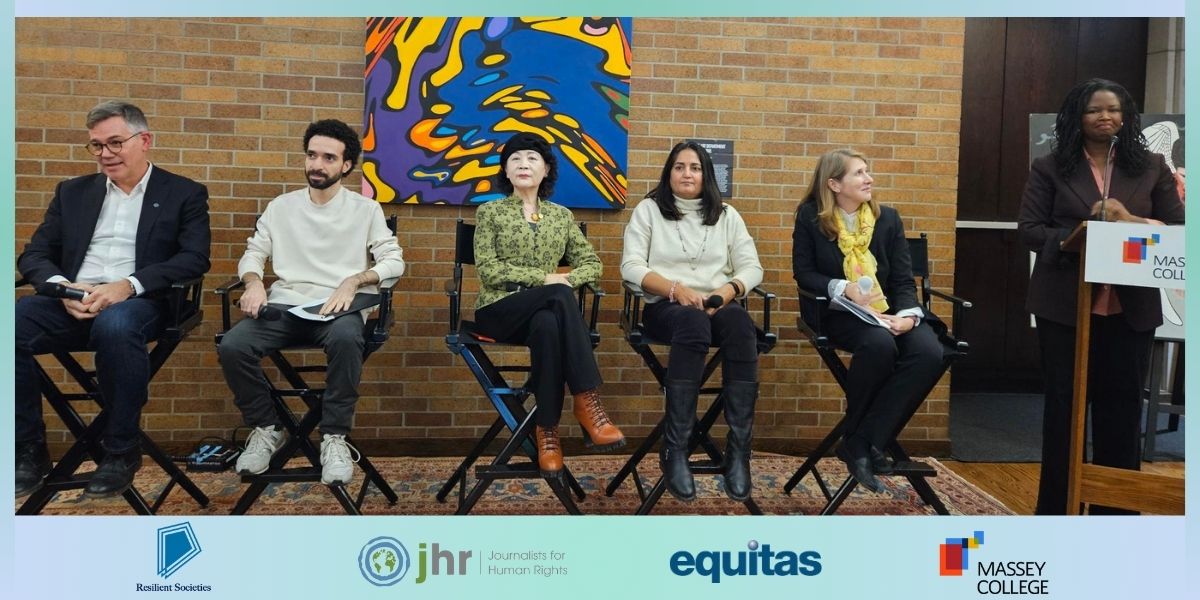
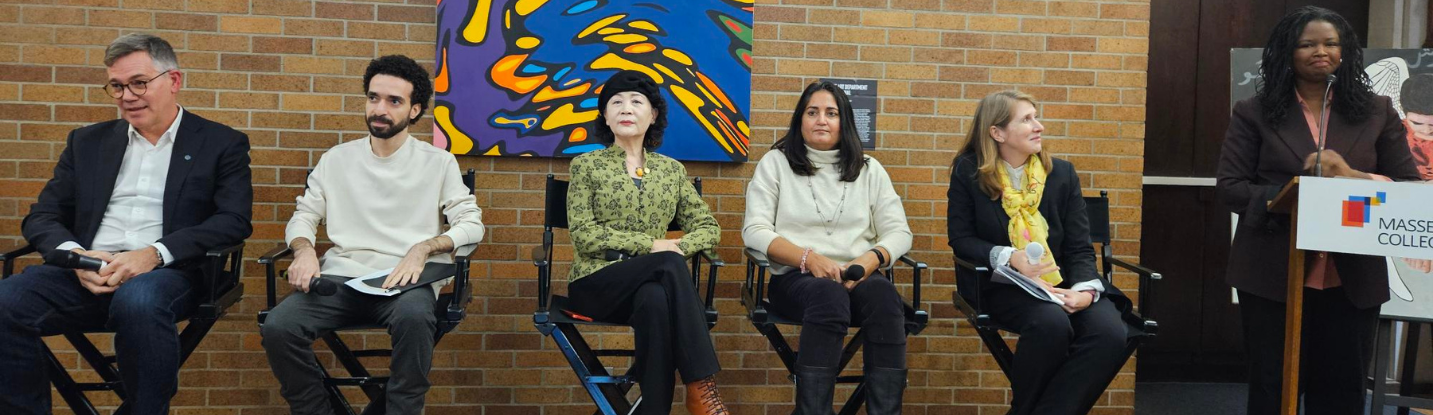
The panel discussion that followed the presentation of the Resilience Network consisted of Rachel Pulfer, president of Journalists for Human Rights as a moderator and 4 panelists:
Mostafa Al-Asar, a journalist from Egypt and Massey College fellow, shared the challenges faced by exiled journalists, the difficulties they encounter and the importance of continuing our journalistic work with a focus on human rights issues, and the ways in which exiled journalists can positively influence Canadian society.
Sheng Xue, Poet, writer and journalist who shared her story as an exiled journalist and is looking forward to the resilience network to be strong and effective and to be a platform for all human rights defenders and activists.
Sadia Zaman, CEO of Inspirit Foundation who highlighted the importance of equipping activists with diverse tools and resources and emphasized the need of having different allies including with individuals or groups we may not typically partner with or agree with.
Chris Eaton, COO at Aga Khan Museum is also the interim chair at Resilient societies, reminded us how important it is to advocate for organizations like Resilient societies. We as supporters need to extend ourselves to help make connections and help to make translations of experiences and identify resources and make them available.
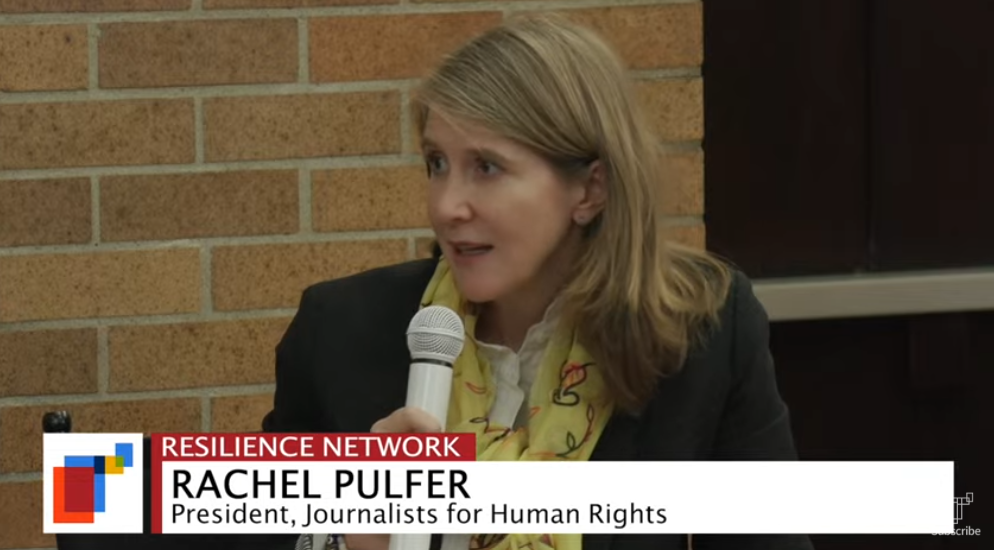
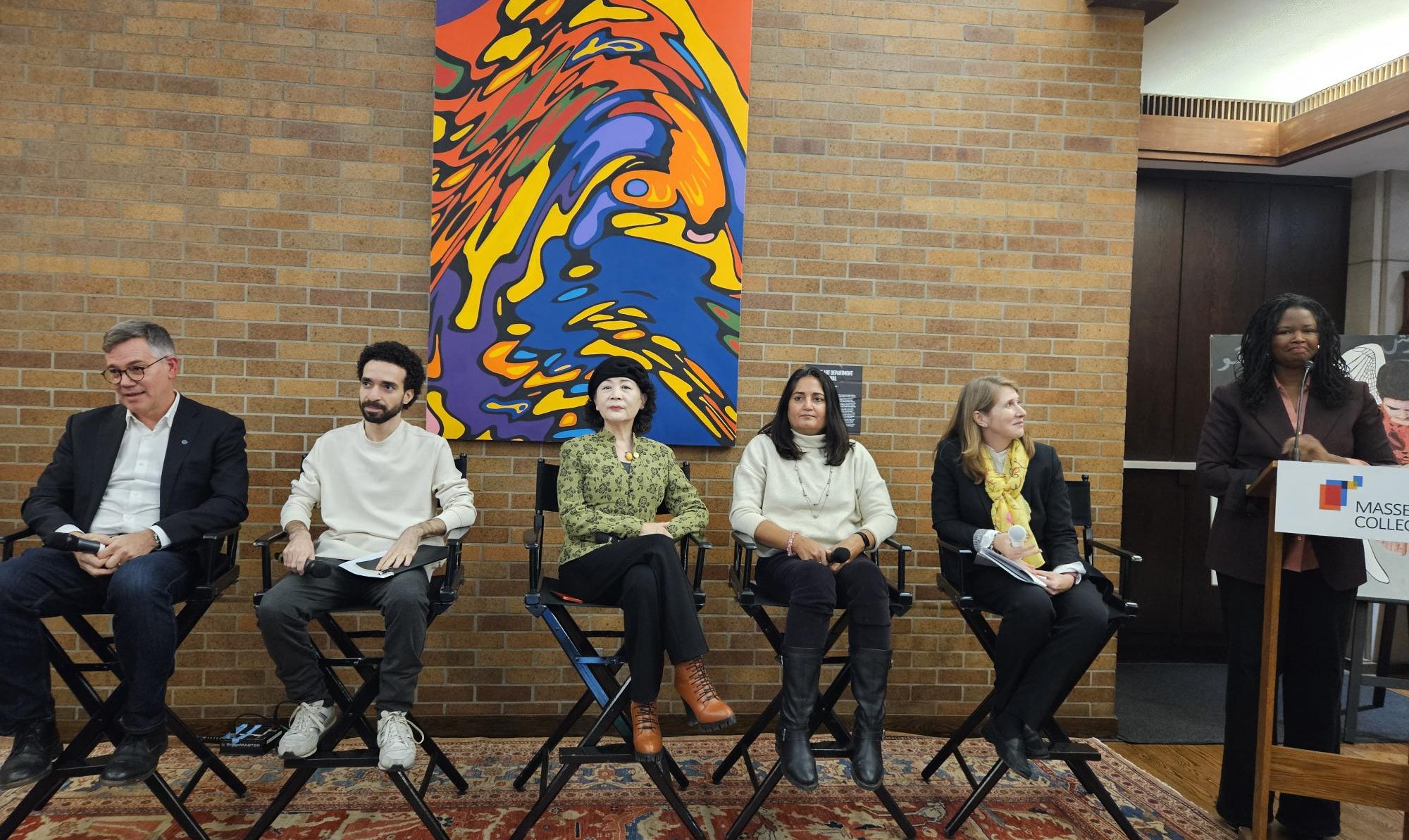
The speakers shed light on transnational repression and captivated the audience sharing their experiences and heartfelt narratives. Transnational repression is not an abstract concept; it is a rapidly escalating reality. Their insights were not only eye-opening but also deeply motivating, it reminded us of the resilience of those who face such challenges and highlighted the importance of global solidarity in addressing these violations.
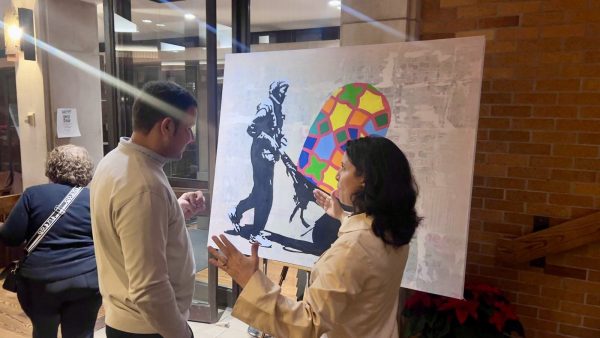
Art was on the agenda
ArtLords organized an exhibition showcasing their art works during the night and expressed their solidarity and support to the initiative. Through this exhibition, they highlighted how artivism can be used as a powerful tool to drive positive social change and stand against tyranny and extremism.